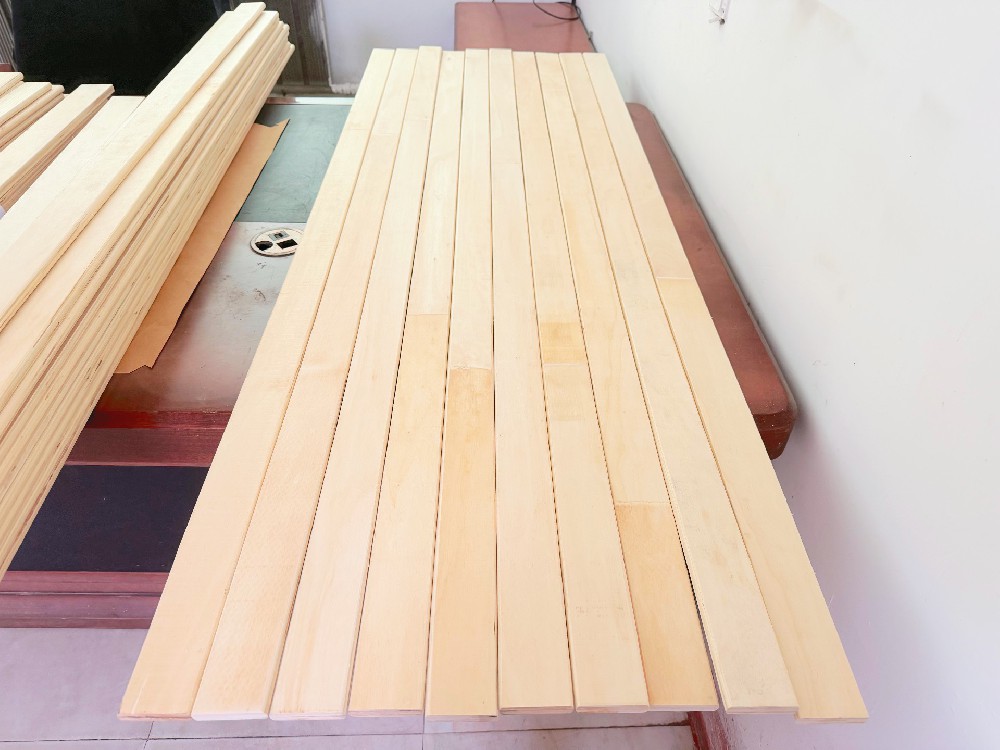
Key Reasons for Suitability:
Strength and Durability: Wood possesses high compressive strength, crucial for sofa frames that endure heavy, daily loads.
Stability (Kiln-Dried): Properly kiln-dried wood—with moisture content below 8-10%—won't shrink, warp, or crack over time, keeping sofa frames solid and beds sturdy.
Longevity: Quality hardwoods (e.g., ash, birch, beech) can last for decades, offering excellent value compared to engineered materials.
Structural Integrity: Wood allows for secure, traditional construction methods like corner-blocked joinery and screw-and-glue, reducing wobbling.
Aesthetics and Comfort: Wood provides warmth, natural grain, and, in beds, is often considered a healthier, non-toxic sleeping surface.
Hardwood vs. Softwood in Furniture:
Hardwoods (Oak, Maple, Cherry): Preferred for high-quality, durable furniture frames due to density and resistance to stress.
Softwoods (Poplar wood): Used for lower-cost beds or as unseen support components.
Wood structure materials are ideal for beds and sofas due to theirhigh strength-to-weight ratio, durability, and natural aesthetic appeal, providing stable, long-lasting support for daily use. Hardwoods like oak and maple resist warping, while kiln-dried wood ensures structural integrity by preventing joint loosening, making them superior to metal or particle board for comfort and longevity.
Laminated veneer lumber (LVL) is better support components material. The raw materials are populus deltoides (Poplar wood).